Slope engineering in Overland Park encompasses the critical disciplines of analysis, design, and stabilization of both natural and constructed inclines. This category addresses everything from preliminary risk assessments to the implementation of retention systems, ensuring that slopes remain stable under varying environmental and loading conditions. In a region characterized by rolling terrain and expansive development, managing these gradients is not just a construction requirement but a fundamental aspect of public safety and asset protection. Proper slope management prevents soil displacement, protects foundations, and maintains the integrity of adjacent properties.
The local geology of Overland Park, situated within Johnson County, presents unique challenges that make professional slope services indispensable. The area is underlain by complex stratigraphy, often featuring layers of silty and lean clays interbedded with sand, overlying the Pennsylvanian-aged bedrock typical of northeastern Kansas. These near-surface soils can be highly susceptible to moisture-induced volume changes and erosion. The presence of expansive clay minerals means that seasonal wetting and drying cycles can significantly reduce soil shear strength, necessitating rigorous slope stability analysis to prevent shallow slumps and deep-seated rotational failures.
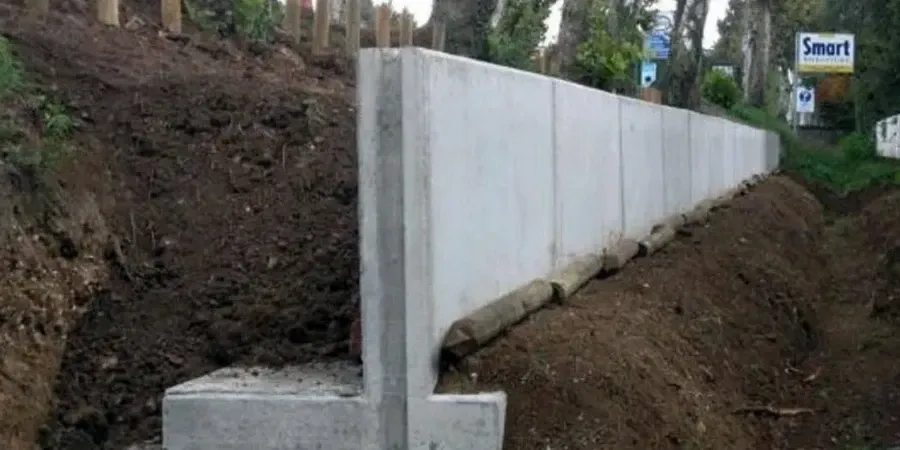
Compliance with local and national standards governs every aspect of slope work in Overland Park. Projects must adhere to the Overland Park Municipal Code, specifically Chapter 16.200 regarding grading and erosion control, which works in concert with the Johnson County Stormwater Management Program. At the federal level, design methodologies follow guidelines set by the U.S. Army Corps of Engineers and the Federal Highway Administration (FHWA), particularly the FHWA's GEC No. 5 for soil nail walls and GEC No. 4 for ground anchors. These regulations ensure that both temporary excavations and permanent cut and fill slopes achieve minimum factors of safety against bearing capacity failure and excessive settlement.
A wide variety of projects in Overland Park require specialized slope intervention. Residential developments on hillside lots often need engineered solutions to create buildable pads without jeopardizing neighboring structures. Infrastructure corridors, including highway widenings along I-435 and arterial road expansions, frequently utilize reinforcement techniques to maximize right-of-way while minimizing earthwork. Commercial site developments near stream buffers and detention basins rely on robust erosion control and retention designs. For deep excavations or steepened embankments, active/passive anchor design provides the necessary lateral restraint to stabilize soil masses where space constraints prevent conventional grading.
Common questions
What are the first physical warning signs of slope failure on my property?
Early indicators include the appearance of tension cracks in the ground surface, particularly parallel to the crest of the slope, as well as tilting fence posts, retaining walls beginning to bulge, or unusual seepage at the toe of the incline. Inside structures, sticking doors and windows or new drywall cracks can signal differential foundation movement caused by an adjacent failing slope.
How does the expansive clay soil in Overland Park affect slope stability?
The silty and lean clays common to Johnson County shrink during dry periods and swell when wet, creating a cyclic weakening of the soil structure. This volumetric instability reduces the soil's effective cohesion over time, making cut slopes highly prone to surficial sloughing during heavy rain events. Proper drainage and reinforcement are critical to counteracting these moisture-driven failures.
What is the difference between a temporary and a permanent slope design?
Temporary slopes are designed for short-term stability during construction, typically accepting a lower factor of safety and steeper angles because the exposure time is limited. Permanent slopes require a more conservative design, incorporating long-term erosion protection, vegetation, and robust drainage systems to withstand decades of seasonal weather fluctuations without requiring significant maintenance or experiencing gradual creep.
Do I need a geotechnical investigation for a small residential slope repair?
Yes, even for minor repairs a geotechnical investigation is essential to identify the failure mechanism. Without subsurface data, a repair might only address surface symptoms rather than the deep-seated cause, such as a weak clay layer or high groundwater. Municipal code in Overland Park generally requires engineered plans based on soil borings to issue a grading permit for structural slope repairs.